

The Real Cause of the Creak
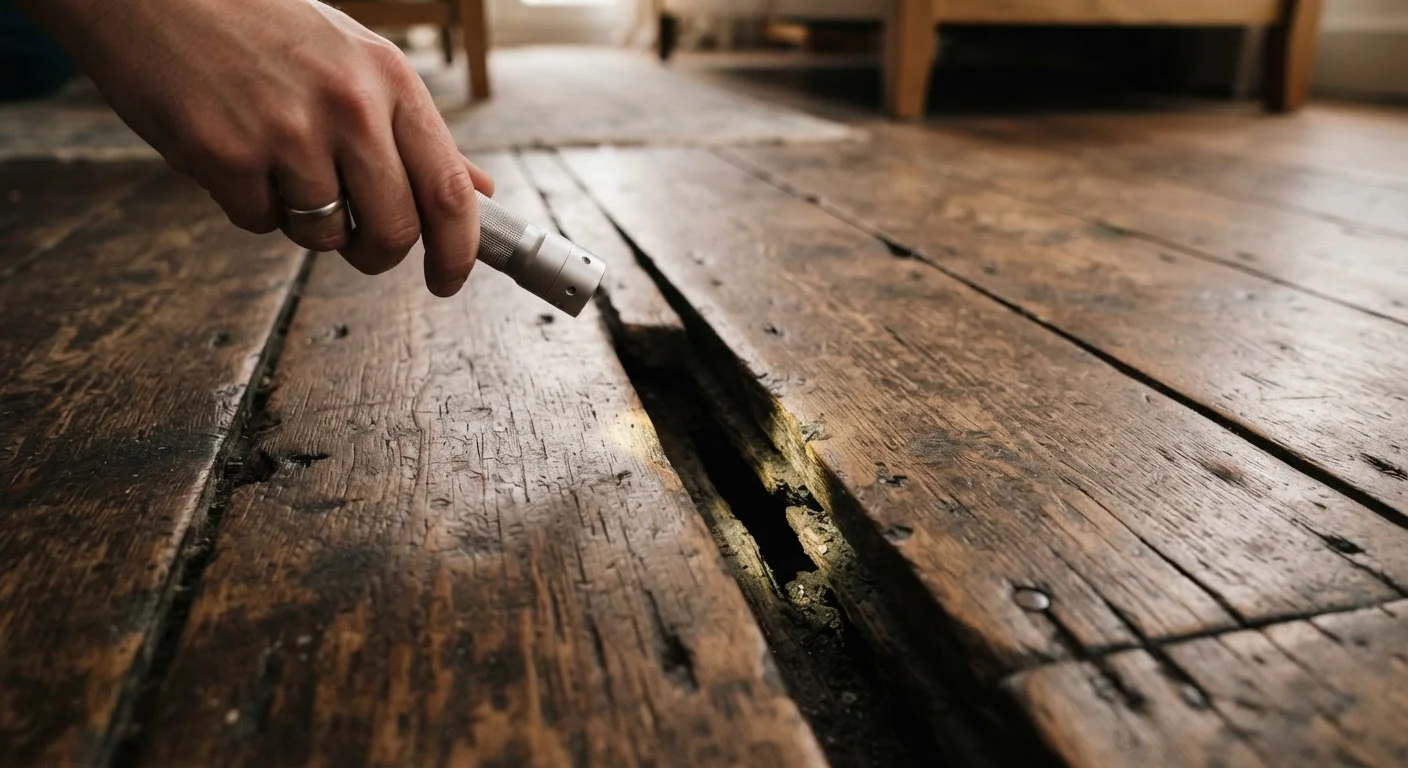
A squeaky floor is not simply an old floor - it's a floor where two surfaces have gained enough freedom of movement to rub against each other. That rubbing is friction, and friction between dry wood surfaces produces the familiar creak you hear underfoot.
There are three primary interfaces where this friction typically develops:
- Board against board: Adjacent surface planks rub against each other when gaps open between them or when tongue-and-groove joints loosen.
- Board against fastener: A nail or screw that has backed out slightly lets the board lift fractionally with each footstep, then drop back - the metal scraping wood is the squeak.
- Surface floor against subfloor: When the finished flooring layer and the structural subfloor beneath it are no longer held tightly together, movement between the two creates persistent noise across a wider area.
Understanding which interface is the culprit is the essential first step. Skipping diagnosis and going straight to a fix is the most common reason DIY squeak repairs fail or create new problems.
Why Wood Moves in the First Place
Wood is a hygroscopic material - it absorbs and releases moisture from the surrounding air. As relative humidity rises, wood fibers swell; as humidity drops, they contract. This seasonal cycle is entirely normal, but it has real consequences for flooring.
Over years of expansion and contraction cycles, nails and staples are gradually worked loose. Gaps that were once imperceptible between boards widen enough to allow movement. The subfloor panels - typically plywood or OSB (oriented strand board) - shift slightly at their edges where they meet joists. Each of these small changes accumulates into the conditions that generate squeaks.
Humidity's Role in Seasonal Squeaking
Homes with forced-air heating and low wintertime humidity often experience more pronounced squeaking because the wood dries and shrinks more dramatically during the heating season. Maintaining indoor relative humidity between roughly 35-55% can slow the rate at which floors develop these movement-related gaps.
Homes with forced-air heating and low wintertime humidity often experience more pronounced squeaking because the wood dries and shrinks more dramatically during the heating season. Maintaining indoor relative humidity between roughly 35-55% can slow the rate at which floors develop these movement-related gaps.
How to Pinpoint the Source
Accurate diagnosis requires slowing down and being methodical. Here's a practical approach:
- Walk in a grid pattern: Move across the floor in slow, deliberate steps, pausing at each footfall. Note exactly where - and sometimes in which direction - the squeak triggers.
- Check the pattern: A squeak confined to a single small spot often points to one loose board or fastener. A squeak that runs in a line parallel to the wall usually traces a joist edge or a subfloor seam.
- Try from below: If you have access to a basement or crawl space, have a second person walk the floor above while you watch from beneath. You can often see the subfloor flex or spot where panels are no longer flush against joists.
- Apply hand pressure: Press down firmly with your palm on the squeaking area. If the noise stops, the issue is between the surface floor and the layer below it. If pressing down makes no difference, the friction may be between adjacent surface boards.
Once you understand what's happening structurally, you can look at approaches matched to your specific subfloor type rather than guessing at a solution.
It also helps to understand how the two floor layers interact before you start. Knowing the difference between your subfloor and your surface floor clarifies which layer you're actually dealing with - a distinction that shapes every repair decision you'll make.
This article is for informational and educational purposes only. Always verify local building codes and consult a qualified professional when structural concerns are present.
Frequently Asked Questions
In most cases, squeaky floors are not a sign of structural damage - they reflect normal wood movement and fastener loosening over time. However, if squeaking is accompanied by visible sagging, soft spots, or bouncing when you walk, those signs warrant a closer look by a qualified professional, as they may indicate subfloor or joist issues.
In winter, indoor air tends to be drier, which causes wood to lose moisture and shrink slightly. This shrinkage widens gaps between boards and between the floor and its fasteners, making friction - and therefore noise - more pronounced. The squeaking may ease up in humid summer months as wood expands back toward its original size.
Yes. Walk slowly across the floor while someone else watches from below (if you have basement or crawl space access), or listen carefully to isolate which step triggers the noise. Note whether the squeak is isolated to one spot or follows a line - the latter often points to a loose joist or subfloor panel edge.
New floors can squeak if they were installed before the wood fully acclimated to the home's humidity, or if fasteners weren't set properly. It can also happen if the subfloor beneath wasn't adequately secured before the new surface was laid. Light squeaking that develops shortly after installation sometimes resolves as the floor settles.
Yes. Solid hardwood is more prone to seasonal movement and friction between boards. Engineered wood can develop squeaks at locking joints. Even laminate can produce noise if the underlayment shifts or if the locking profiles wear. Each material type has its own common failure points worth understanding before you attempt any fix.
The content on this site is for informational purposes only and is not a substitute for professional advice. Always consult a qualified professional for guidance specific to your situation.