

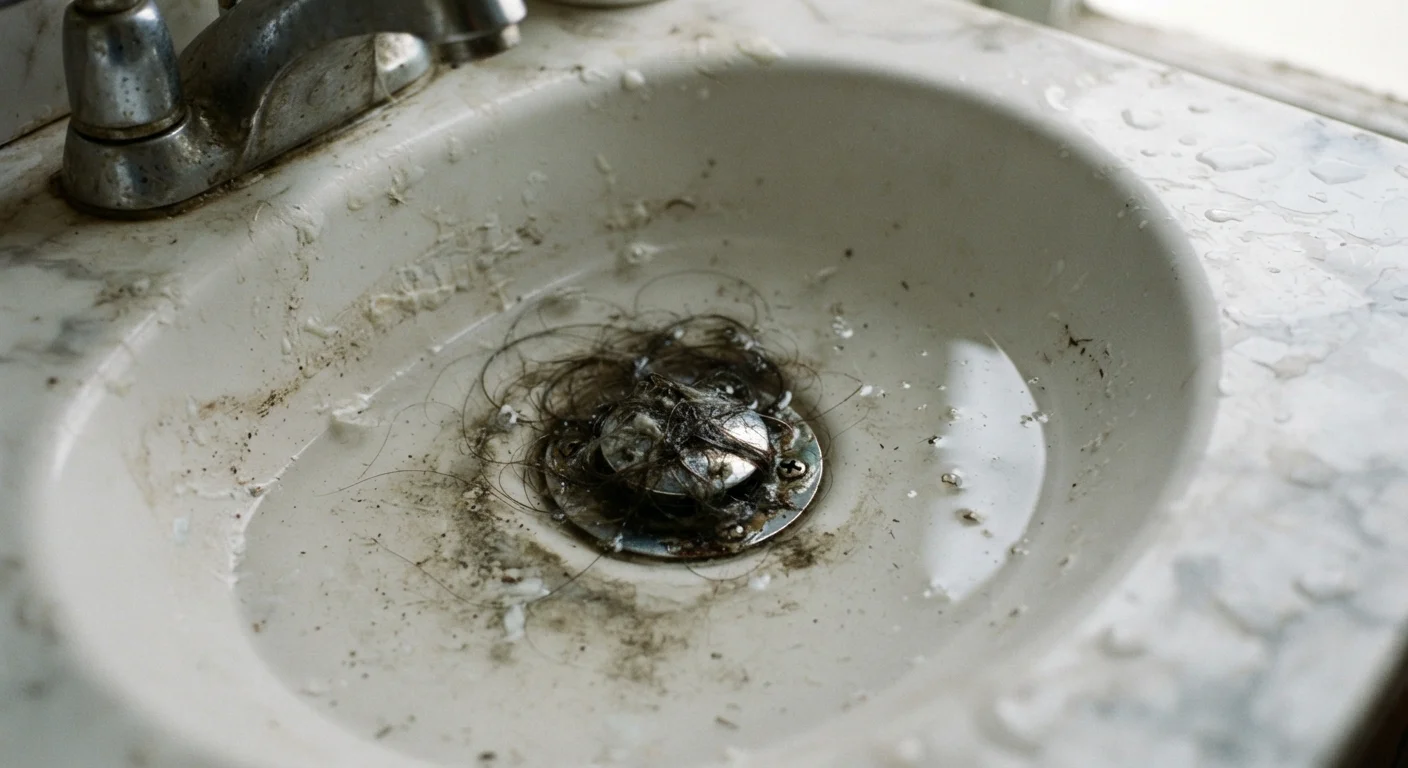
Why the Same Drain Keeps Failing You
A clog that returns within days or weeks of clearing is one of the most frustrating plumbing experiences a homeowner can face. The natural instinct is to reach for the plunger or a bottle of chemical drain cleaner again - but repeating the same fix for a recurring problem rarely leads anywhere useful. Recurring clogs are almost always signalling that something deeper is going on, either in the pipe itself, in the habits feeding the drain, or in the broader plumbing system.
Understanding why your clearing attempts aren't holding is the first step toward actually solving the problem. The mistakes below are the most common reasons drains keep clogging - and what to do about each one. For a broader look at how to audit your home's plumbing before problems escalate, see our room-by-room plumbing audit guide.
Only clearing the surface of the clog rather than the full blockage.
Why it happens: Plungers and basic drain tools often dislodge just enough material to restore flow, leaving a substantial obstruction still clinging to the pipe wall a few inches deeper.
Using chemical drain cleaners as the primary or only solution.
Why it happens: Chemical cleaners are heavily marketed as a quick fix, so homeowners reach for them repeatedly without realizing they're not addressing the buildup causing the clog - and may be damaging their pipes in the process.
Ignoring slow drainage as an early warning sign.
Why it happens: A drain that's slow but still functional doesn't feel urgent, so most homeowners wait until it's fully blocked before acting - by which point the buildup is substantial.
Failing to use a drain strainer or screen in high-debris fixtures.
Why it happens: Many homeowners simply don't think about prevention until they're dealing with a problem. Hair, soap scum, and food particles are the leading causes of clogs in bathroom and kitchen drains.
Assuming a single fixture's repeated clogging is only a local problem.
Why it happens: Homeowners tend to treat each clog as an isolated event rather than a symptom. A drain that clogs repeatedly despite clearing could indicate a partial pipe collapse, significant scale buildup, or a venting issue that prevents proper drainage throughout the line.
Building a Drain Maintenance Habit That Actually Works
Most chronic drain problems are preventable with a consistent, low-effort maintenance routine. Once you've addressed the root cause of the current clog, the goal is to stop the next one from forming.
A practical monthly routine looks like this: remove and clean drain screens, flush each drain with near-boiling water for one minute, and apply an enzyme-based drain treatment designed to break down organic buildup - hair, grease, and soap residue. Enzyme treatments are far gentler on pipes than chemical cleaners and work gradually over hours rather than aggressively in minutes.
Chemical Drain Cleaners Can Backfire
Liquid chemical drain cleaners generate heat as they work and can soften or warp PVC pipes with repeated use. In older homes with metal pipes, they accelerate corrosion. If a clog returns after using a chemical cleaner, switching to a mechanical solution - like a drain snake - is safer and typically more effective. See our guide on keeping drains clear without damaging your pipes for safer alternatives.
In the kitchen, the most effective habit change is keeping grease, oils, and food starch out of the drain entirely. These substances cool and solidify inside pipes, creating a sticky surface that traps everything else passing through. Pour cooking grease into a sealable container and dispose of it in the trash. It's also worth reading through common plumbing myths that cost homeowners money - many well-intentioned habits, like running hot water while pouring grease, don't actually prevent buildup the way people assume.
Recurring wall or structural issues elsewhere in your home can follow the same pattern as drain clogs - surface fixes that don't hold because the underlying cause hasn't been addressed. If that parallel resonates, our article on why drywall cracks keep coming back explores a similar diagnostic mindset applied to wall repairs.
This article provides general educational guidance for homeowners. Plumbing conditions vary by home age, pipe material, and local codes. For persistent, complex, or potentially hazardous plumbing issues, consult a licensed plumber in your area and verify any applicable local permit or inspection requirements.
The content on this site is for informational purposes only and is not a substitute for professional advice. Always consult a qualified professional for guidance specific to your situation.