

Summary
24 items · 45-90 minutes
Why a Plumbing Audit Belongs on Every Homeowner's To-Do List
Plumbing failures rarely announce themselves until the damage is already done. A slow drip under the bathroom sink, a toilet that runs for a few seconds after flushing, a drain that clears just a little more slowly each month - these are the early warnings most homeowners dismiss until they're mopping up a flooded cabinet or facing a significant repair bill.
A structured walk-through of your home's plumbing - covering every room where water flows - gives you a clear picture of what's working, what's borderline, and what needs immediate attention. If you're newer to how your home's plumbing fits together, the Homeowner's Introduction to Household Plumbing Systems is a solid foundation before you start.
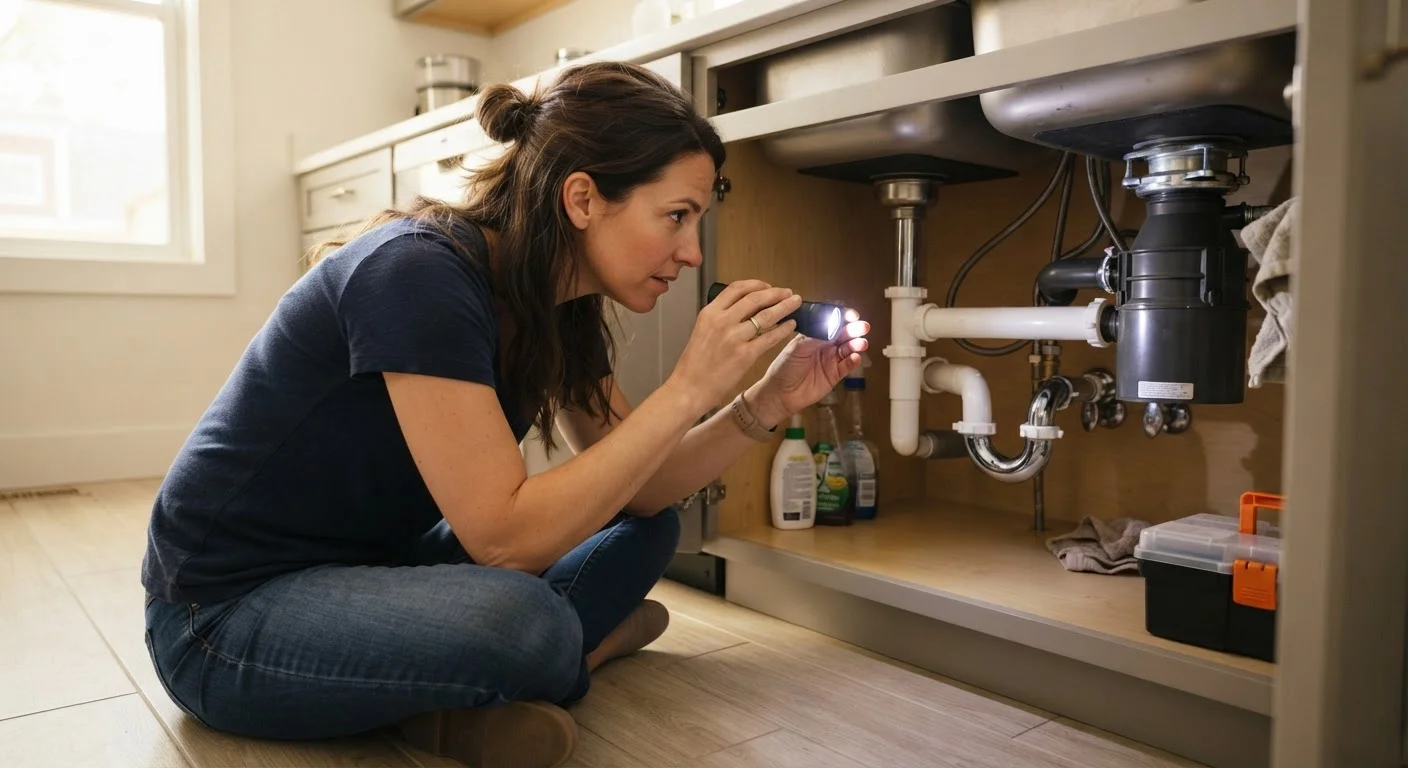
This audit is designed to be done without special tools in most cases - just your eyes, hands, and a notepad. Work through each room systematically, and use the checklist groups below as your guide. Flag anything that seems off, even if you're not sure whether it matters. Context builds as you go.
Know When to Stop and Call a Professional
A plumbing audit is a diagnostic exercise, not an invitation to open walls or disturb main supply lines. If you find sewage odors, active leaks inside wall cavities, or significant corrosion on your main line, do not attempt repairs yourself. Contact a licensed plumber and, if needed, shut off the main water supply while you wait. Some findings may also require permits before any repair work begins - verify with your local building authority.
For any findings that involve gas lines, water heater venting, or signs of sewage backup, stop and contact a licensed plumber or the appropriate utility. These are not DIY scenarios regardless of skill level.
Room-by-Room Checklist: What to Look For
Work through each zone of your home in turn. The kitchen and bathrooms will take the most time; utility spaces like the basement and laundry room are often where slow leaks go unnoticed longest.
Kitchen
Bathrooms
Laundry Room
Basement and Utility Areas
Exterior and Whole-House Checks
As you go, pay attention to water stains, soft drywall near plumbing walls, musty odors, and any standing water around appliance connections. These aren't always dramatic - a faint water ring under a pipe fitting is still worth noting. For a deeper look at what pipe sounds mean, see what banging, whistling, and gurgling actually indicate.
Once you've worked through the rooms, check your water meter. Shut off every fixture and appliance that uses water, then read the meter. Wait 30 minutes without using any water, then read again. Any movement on the dial suggests a leak somewhere in the system - possibly inside a wall or underground where it isn't visible.
If your toilet is among your findings, stopping a running toilet walks through exactly how the tank components work and how to fix the most common failures yourself.
After the Audit: Sorting What You Found
Not every finding requires a plumber. Sorting your notes into three buckets helps you decide what to do next:
- DIY-ready: Dripping faucets, running toilets, slow drains caused by buildup, loose supply line connections, and deteriorated caulk around tub surrounds are generally within reach for a motivated homeowner.
- Monitor and reassess: Minor discoloration on pipes, a faint musty smell that isn't pinpointed, or a drain that's slightly slow but responsive to cleaning. Note these and recheck in a few weeks.
- Call a professional: Any active leak inside a wall, sewage odors that persist, significant water pressure changes, or signs of pipe corrosion across multiple fixtures. Eight signs your home's plumbing needs professional attention is a helpful resource when you're on the fence.
Before any repair that goes beyond simple fixture maintenance, check whether a permit is required. Understanding which plumbing jobs typically require permits can protect you at resale and keep your homeowner's insurance intact. Requirements vary by municipality, so always verify locally.
If a temporary patch is needed while you wait for parts or a professional, understanding the difference between temporary and permanent pipe repairs will help you avoid making a short-term fix feel like a solution it isn't.
This article is for general informational purposes only. Plumbing codes, permit requirements, and recommended practices vary by location. Always consult a licensed plumber for work involving main supply lines, drain-waste-vent systems, water heaters, or any repair that requires opening walls or floors.
The content on this site is for informational purposes only and is not a substitute for professional advice. Always consult a qualified professional for guidance specific to your situation.