

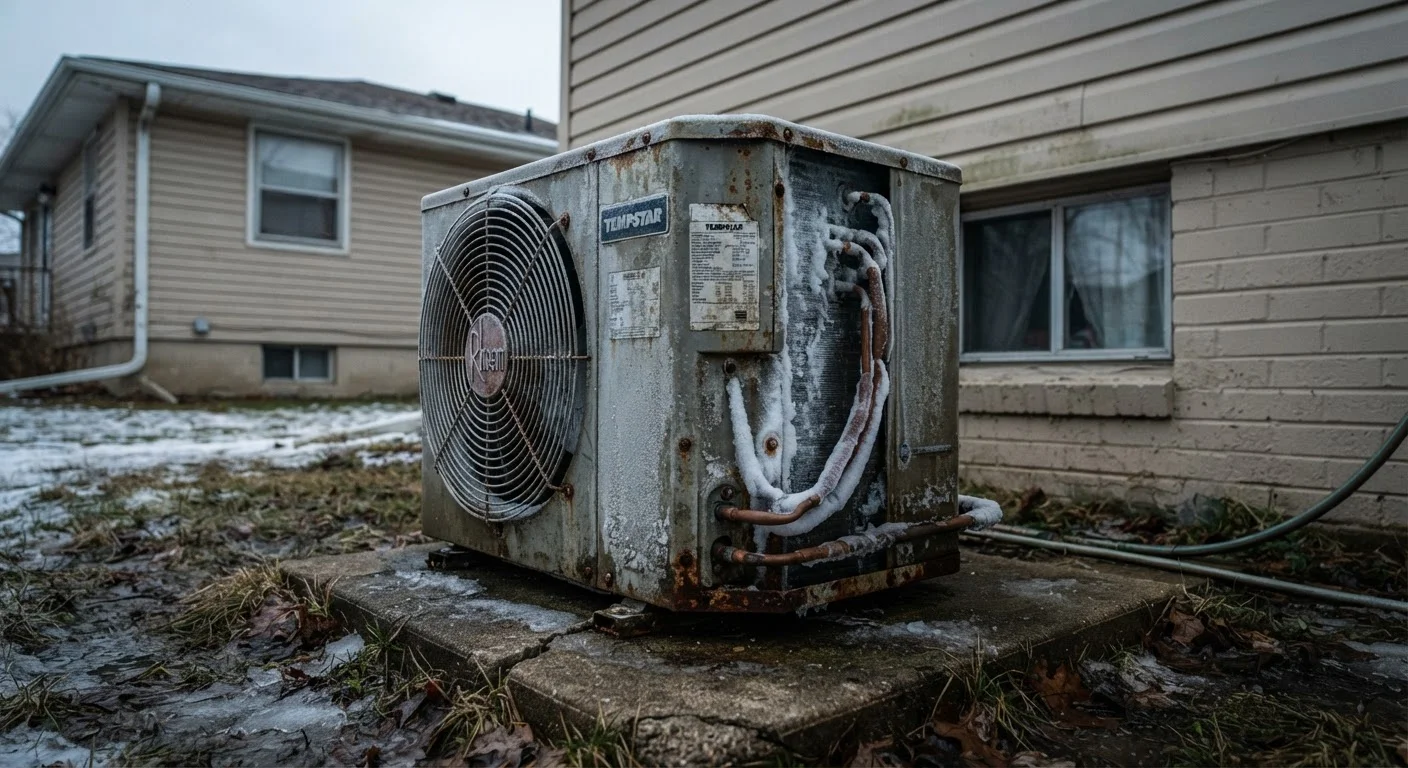
Why HVAC Strain Matters
Your HVAC system accounts for roughly half of your home's total energy use, making it the single largest driver of monthly utility costs. When it's working harder than it should - fighting dirty filters, poor insulation, or aging components - that extra effort translates directly into higher bills, inconsistent comfort, and a shorter system lifespan. Understanding how your home's major energy systems work is the first step toward catching problems early.
The good news: most warning signs appear well before a system fails completely. Recognizing them gives you time to act, rather than react.
| Share of home energy used by HVAC | ~50% (U.S. Department of Energy) |
| Most common DIY fix | Air filter replacement |
| Recommended filter check frequency | Every 1-3 months |
| Suggested pro tune-ups per year | 2 (spring & fall) |
| Minimum clearance around outdoor units | 12 inches on all sides |
| Short cycling typical run duration | Under 2-3 minutes per cycle |
Common Warning Signs and What They Mean
Short Cycling
Short cycling is when your system turns on, runs for only a minute or two, then shuts off before the space reaches the set temperature - only to start again shortly after. This pattern is hard on compressors and motors, accelerating wear. Common causes include an oversized unit, a refrigerant charge issue, or a dirty evaporator coil restricting airflow. A qualified HVAC technician can diagnose which is at play.
Uneven Temperatures Between Rooms
If one room is sweltering while another stays cold, your system is likely compensating for a delivery problem rather than a capacity one. Leaky or poorly balanced ductwork, blocked vents, or inadequate insulation in walls or attics can all force your equipment to run longer to try - and often fail - to equalize temperatures.
Unexplained Increases in Energy Bills
A system that suddenly costs 15-20% more to run without a change in weather or usage habits is signaling that something has degraded. Dirty condenser coils, a clogged air filter, or a failing capacitor all reduce efficiency without stopping the system outright. Compare bills month-over-month for the same period across years to spot the pattern clearly.
Longer Run Times to Reach Set Temperature
An efficient system should reach your target temperature within a reasonable cycle. If it's running for extended periods without getting there - especially on mild days - the unit is working against something: heat gain through under-insulated walls, a low refrigerant charge, or a thermostat that isn't reading conditions accurately. Note that setting the thermostat higher won't speed up heating; it just asks the system to sustain more effort for longer.
Unusual Sounds or Smells
Banging, rattling, squealing, or grinding sounds indicate mechanical issues - loose components, failing bearings, or debris in the system. A musty smell often points to mold growth in the air handler or ductwork; a burning smell may mean an electrical component is overheating. Both warrant prompt attention from a licensed professional. Do not continue running a system emitting burning odors.
What to Do When You Notice These Signs
Start with the basics: replace or clean your air filter (a clogged filter is the most common and easiest-to-fix efficiency killer), clear at least 12 inches around outdoor units, and make sure supply and return vents are unobstructed. Many efficiency problems can be traced to these simple maintenance gaps.
For anything beyond filter replacement and basic cleaning - refrigerant handling, electrical components, ductwork repair, or refrigerant charge testing - contact a licensed HVAC technician. Many of these tasks involve regulated materials or permit requirements that vary by jurisdiction; verify local requirements before any significant work begins.
Scheduling annual professional maintenance, ideally once before cooling season and once before heating season, catches developing problems while they're still inexpensive to fix. Think of it less as a cost and more as a way to protect an appliance that may represent a multi-thousand-dollar replacement investment.
This article is for informational and educational purposes only. HVAC systems involve electrical and refrigerant components that require licensed professionals. Always verify local permit and code requirements before undertaking repairs or modifications.
The content on this site is for informational purposes only and is not a substitute for professional advice. Always consult a qualified professional for guidance specific to your situation.