

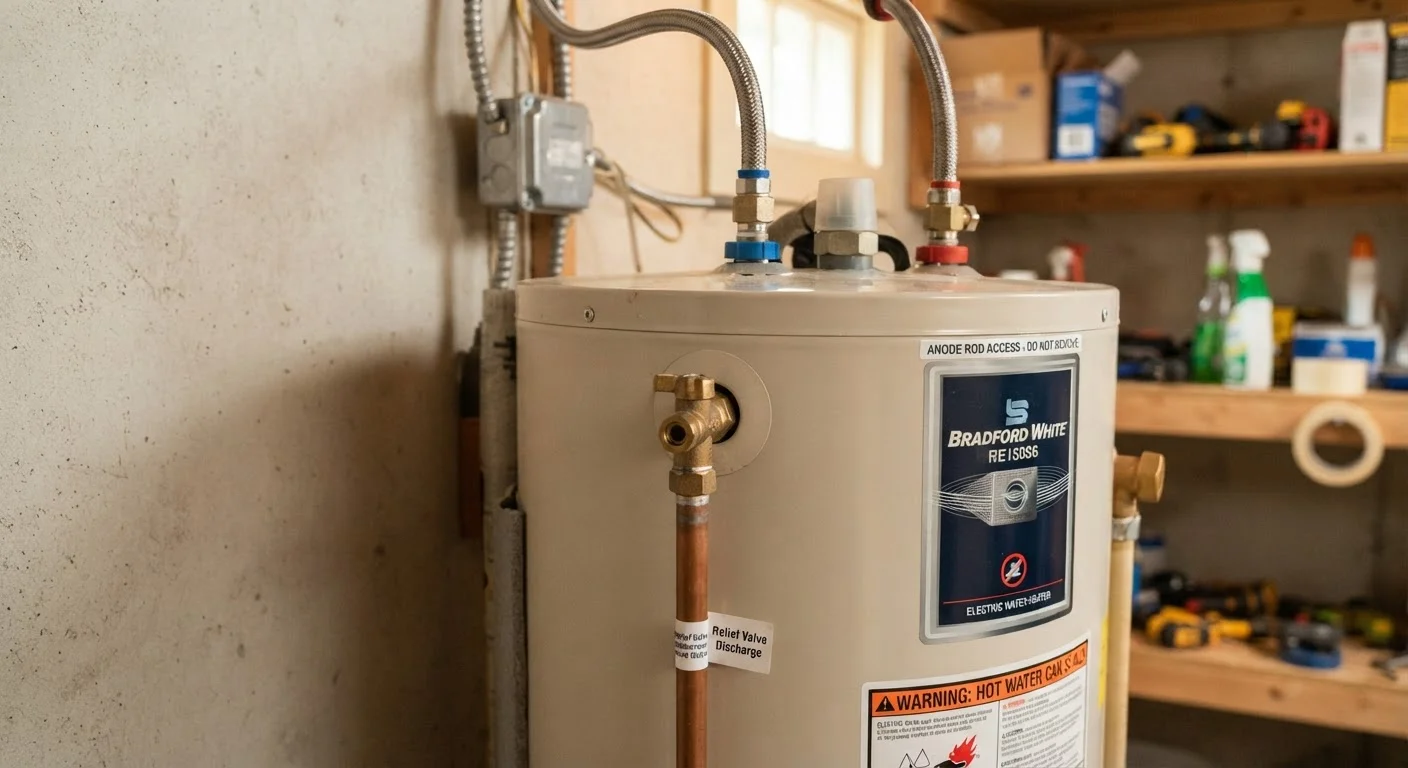
Why Water Heater Maintenance Pays Off
Your water heater works quietly in the background every day, and most homeowners don't think about it until something goes wrong. A little preventive attention, though, can meaningfully extend the unit's life, keep energy bills in check, and reduce the risk of an unexpected failure. Sediment buildup, corroded components, and neglected pressure relief valves are among the leading causes of premature water heater failure - and many of the early warning signs are easy to address before they become costly.
Understanding how hot water use affects your energy costs pairs well with knowing how to maintain the equipment that heats it. Together, they give you a more complete picture of your household's energy footprint.
Before any maintenance task, always confirm the water heater type you have - conventional tank, tankless, heat pump, or solar - because procedures differ. When in doubt, consult the manufacturer's documentation.
DIY-Friendly Maintenance Tasks
Several routine jobs are well within reach for most homeowners who are comfortable with basic tools and can follow safety precautions carefully.
If you're newer to home systems and want background on how supply and shut-off plumbing connects to your water heater, the homeowner's introduction to household plumbing systems is a solid starting point.
Tasks That Belong to a Licensed Professional
Some water heater work sits firmly outside the DIY category - not because the tasks are complicated to understand, but because the consequences of getting them wrong can be severe.
- Gas line connections and burner assemblies: Any work involving gas supply lines, pilot assemblies, or burner components carries risk of gas leaks and fire. These repairs require a licensed plumber or HVAC technician and, in many jurisdictions, a permit.
- Pressure relief valve (T&P valve) replacement: While testing the valve (described above) is a DIY task, replacing a faulty T&P valve involves specific torque requirements and correct valve ratings. An improperly installed valve can fail to relieve pressure in an emergency.
- Electrical supply wiring on electric water heaters: Replacing thermostats or heating elements may seem straightforward, but the 240-volt circuits involved carry serious electrocution risk. This work should be performed by a licensed electrician.
- Full unit replacement or new installation: Installing a new water heater typically requires permits, code-compliant connections, and inspection. Check local requirements - many municipalities require a licensed contractor for this work.
For a broader look at which plumbing situations cross into professional territory, see eight signs your home's plumbing needs professional attention.
Quick Actions You Can Take Today
You don't need to tackle every maintenance item at once. Start with the steps that require the least preparation and deliver immediate benefit.
Maintaining your water heater is part of a broader approach to home system care. The same methodical mindset applies to heating and cooling - see the seasonal HVAC maintenance checklist for a parallel approach to your climate-control equipment.
This article is for general informational purposes only. Always follow manufacturer guidelines and local codes. For gas, electrical, or structural concerns, consult a licensed professional. Requirements vary by jurisdiction - verify permit and inspection obligations in your area before beginning any work.
The content on this site is for informational purposes only and is not a substitute for professional advice. Always consult a qualified professional for guidance specific to your situation.