

Our Verdict
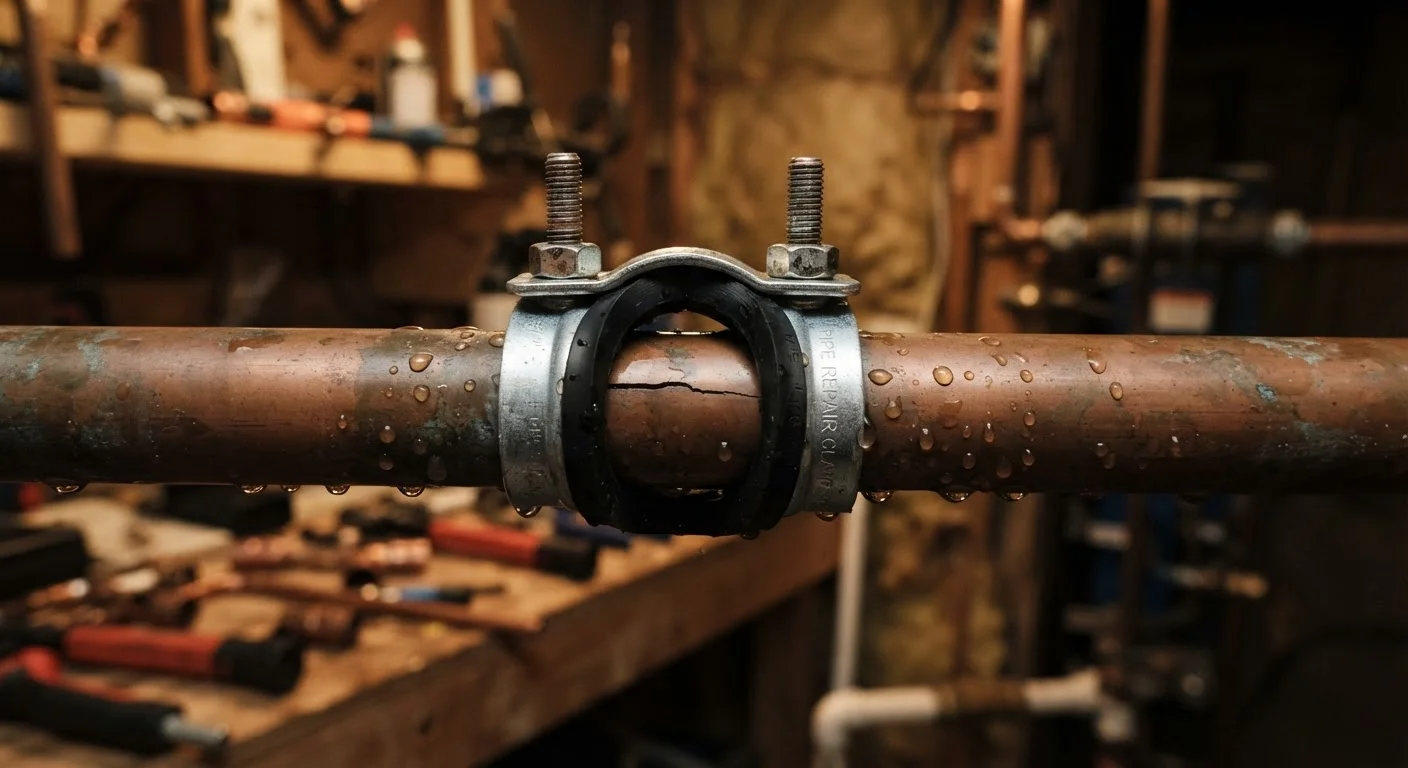
Temporary repairs serve a genuine purpose - they limit water damage while you prepare for a proper fix. But they're a pause button, not an answer. Permanent repairs restore the integrity of your plumbing system and are the only appropriate long-term solution for any leak beyond the most minor, accessible drip.
| Best for | Recommended |
|---|---|
| Homeowners dealing with an active drip who need time to plan | Temporary repair (tape or clamp) |
| Accessible, low-pressure drain or supply pipe with minor damage | Permanent DIY repair using compression or push-fit fittings |
| Leaks on pressurized mains supply, hot water lines, or hidden pipes | Licensed plumber for permanent repair |
| Recurring leaks or joints that have failed more than once | Licensed plumber for permanent repair |
Why the Distinction Between Temporary and Permanent Matters
A small drip under the kitchen sink can tempt even cautious homeowners into a quick patch-and-forget approach. The problem is that plumbing repair products are not all created equal, and confusing a short-term measure for a long-term solution is one of the most common - and costly - DIY mistakes in home plumbing.
Temporary repairs are engineered to slow or stop a leak for hours or days while you arrange a proper fix. Permanent repairs restore the full structural integrity of the pipe. Treating the former as the latter risks hidden water damage, mold growth inside walls, and eventual failure at the worst possible moment. Before you reach for any repair product, it helps to do a room-by-room plumbing audit to understand the full scope of what you're dealing with.
What Temporary Repairs Actually Do
The most common temporary repair tools are self-fusing silicone tape, pipe repair clamps, and two-part epoxy putty. Each works differently but shares the same limitation: none of them return the pipe to its original strength or sealing performance.
- Self-fusing silicone tape wraps around the pipe and bonds to itself under compression. It can handle modest water pressure on smooth, dry surfaces but degrades over time, especially with temperature fluctuations.
- Pipe repair clamps use a rubber gasket pressed against the leak point by a metal band. They're effective on straight pipe sections but provide no protection if the surrounding pipe wall is corroded or weakened.
- Epoxy putty can fill pinhole leaks or cracks and sets hard, but bonding quality depends heavily on surface prep and the pipe material involved.
None of these options are rated for permanent use by manufacturers. They are explicitly marketed as emergency or interim solutions.
| Temporary Repair | Permanent Repair | |
|---|---|---|
| Purpose | Buy time, limit immediate damage | Restore full pipe integrity |
| Skill level required | Low - minimal tools needed | Moderate - requires pipe cutting and fitting |
| Materials cost | Low ($5-$25 typical) | Moderate ($15-$60+ depending on method) |
| Durability | Hours to weeks; not rated for long-term use | Years to decades when done correctly |
| Water pressure tolerance | Limited; varies by product | Full rated pressure for pipe type |
| Water shutoff required | Sometimes (pipe must often be dry) | Yes - always |
| Suitable for hidden pipes | No - monitoring is essential | Yes, once access is properly opened |
What Permanent Repairs Involve
A permanent pipe repair addresses the damaged section itself rather than containing the symptom. Depending on the pipe material and leak type, permanent options include:
- Cutting out and replacing the damaged section using compression fittings or push-to-connect fittings - no soldering required for many repairs. See our comparison of compression vs push-to-connect fittings to choose the right approach.
- Soldering a copper repair coupling onto a clean-cut copper pipe - a durable solution but one that requires skill and safety precautions around an open flame.
- Solvent-welding on plastic waste pipes - appropriate for drain lines and highly durable when done correctly. Our guide on solvent weld vs push-fit for waste pipes covers the trade-offs in detail.
Permanent repairs require shutting off the water supply, draining the line, and working with dry pipe surfaces. This is not significantly harder than a temporary fix for accessible pipes - but it does demand more preparation.
How to Decide Which Approach Is Right for Your Situation
Several factors should guide your decision:
- How urgent is the leak?
- Active, fast dripping or spraying water demands immediate action to limit damage. Use a temporary measure while you prepare a proper repair - but set a clear deadline to follow through.
- Where is the pipe?
- An accessible pipe under a sink is very different from a pipe inside a wall cavity. Pipes behind finished surfaces often require permits, inspections, and professional involvement when opened up.
- What is the pipe's condition?
- A single pinhole in an otherwise sound pipe is a different problem from a section of pipe that is corroding along its length. Widespread deterioration means replacement, not patching.
- What type of line is it?
- Pressurized supply lines carry far more risk than gravity-fed drain lines. Any failure on a supply line while you're away from home can cause serious flood damage. Know when to call a licensed plumber - our article on signs your plumbing needs professional attention lays out the clearest indicators.
Set a Repair Deadline When You Use a Temporary Fix
If you apply a repair clamp or tape, write the date on a piece of masking tape and stick it near the repair. Give yourself no more than one to two weeks to complete a permanent fix. Temporary repairs are easy to forget once the dripping stops - but the underlying damage doesn't resolve on its own.
Safety, Permits, and When to Step Back
Most accessible drain line repairs and simple supply line replacements using approved fittings fall within the scope of informed DIY. However, several situations call for a licensed plumber rather than a DIY attempt:
- Leaks on the main water supply line between the meter and the house
- Any pipe embedded in concrete slab or behind structural walls
- Repairs that require soldering in a confined or poorly ventilated space
- Leaks accompanied by water staining on ceilings, floors, or walls - indicating a longer-running, hidden problem
Many jurisdictions also require permits for work beyond straightforward fixture replacement. Check with your local building department before opening walls or replacing significant pipe runs. Unpermitted plumbing work can complicate home sales and insurance claims.
This article is for general educational purposes only. Plumbing systems vary widely by age, material, and local code. Always consult a licensed plumber for an assessment before undertaking repairs on pressurized supply lines or pipes located within walls, floors, or ceilings.
The content on this site is for informational purposes only and is not a substitute for professional advice. Always consult a qualified professional for guidance specific to your situation.