

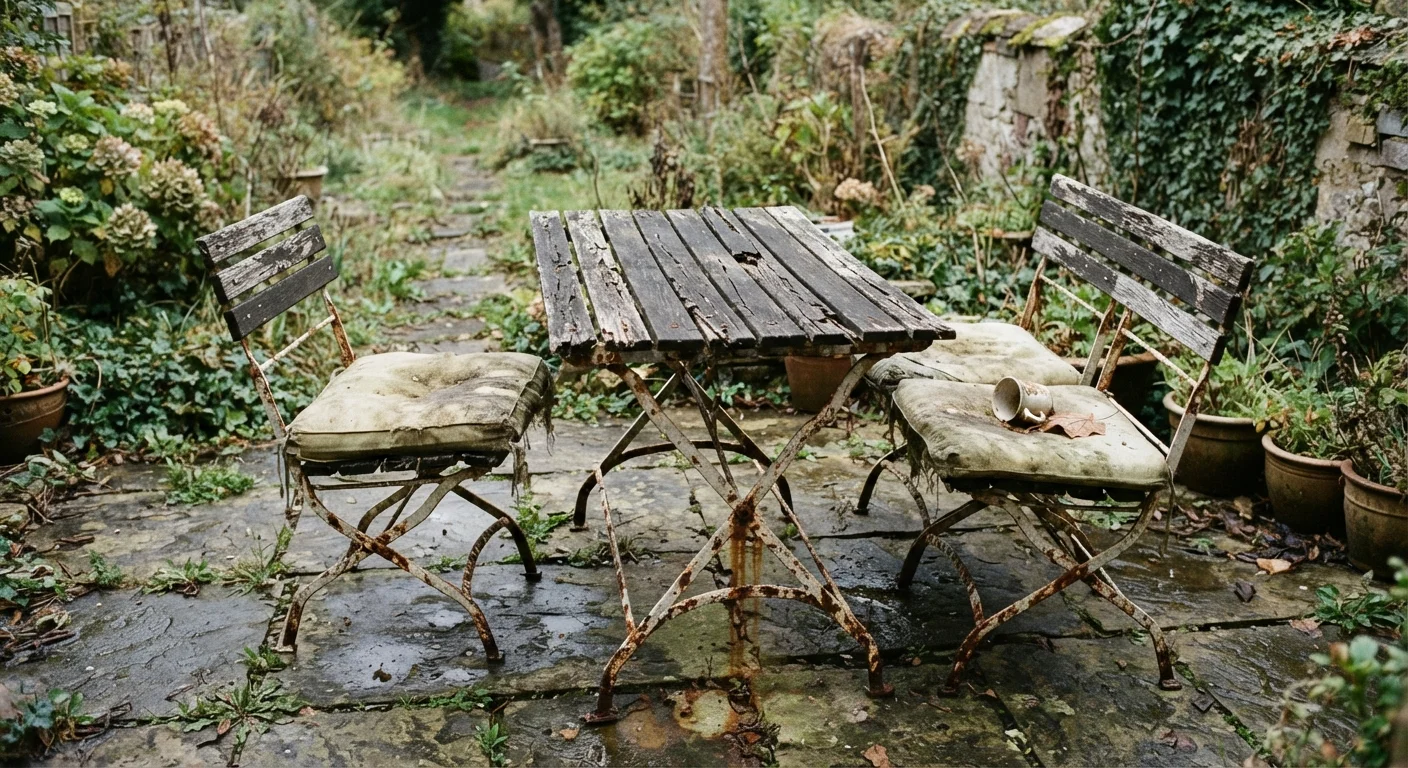
Why Outdoor Furniture Ages Before Its Time
Outdoor furniture is engineered to handle the elements - but that engineering assumes a baseline of routine care that most people simply don't apply. The result is furniture that degrades years ahead of schedule, not because of manufacturer failure or poor materials, but because of a cluster of avoidable habits that compound across seasons.
Understanding where degradation actually starts is the most useful first step. It's rarely one dramatic event - a single storm or a scorching summer. More often it's the accumulation of small oversights: a cushion left damp, a sealant never reapplied, a winter's worth of moisture sitting beneath a non-breathable cover. Each of these individually causes minor damage; together, they accelerate weathering dramatically.
For homeowners who've invested in quality pieces for entertaining or relaxing outdoors, learning these patterns pays off directly. See our ideas for outdoor entertaining setups that work in real backyards to make the most of furniture that's properly maintained.
Moisture Is the Primary Enemy
Standing water and trapped humidity degrade virtually every outdoor furniture material - wood rots, metal corrodes, and resin joints weaken. Never stack wet furniture or store cushions without fully drying them first. Even furniture rated for outdoor use has moisture thresholds that routine carelessness exceeds quickly.
The Most Damaging Mistakes - and How to Avoid Them
The errors below are consistently the most impactful across all furniture materials - resin, hardwood, powder-coated metal, and natural wicker alike. Each one is common precisely because it doesn't look damaging in the short term.
Leaving furniture fully exposed to UV and rain without any protective cover.
Why it happens: Covers feel inconvenient, especially on furniture used frequently through summer. Many homeowners assume "outdoor-rated" means no additional protection is needed.
Storing cushions on the furniture frame rather than in a dry, ventilated location.
Why it happens: It saves time, and cushions often appear to dry out naturally. In practice, moisture migrates from cushion fill down into wood joints and metal welds.
Applying the same cleaning product or technique across all furniture materials.
Why it happens: A single all-purpose cleaner seems simpler, and the damage - stripped sealant, faded resin, surface corrosion - is gradual and not immediately obvious.
Skipping end-of-season sealing or re-oiling on wood and metal furniture.
Why it happens: Seasonal maintenance feels like extra work when furniture still looks acceptable. Protective finishes degrade invisibly, so the urgency isn't obvious until cracking or rust appears.
Stacking furniture directly on damp ground or a concrete surface that retains moisture.
Why it happens: Homeowners stack and store quickly without thinking about ground contact. Concrete in particular wicks moisture upward into wood legs and metal feet.
Power-washing furniture at high pressure to remove grime quickly.
Why it happens: A power washer feels efficient and produces an immediate visual result. The problem is that high-pressure water strips sealants, forces water into joints, and damages wicker weave.
For a full seasonal care approach - including what to do in spring to reverse winter damage and autumn to prevent it - see our seasonal patio preparation guide.
Material Choice Also Determines Maintenance Demands
Avoiding maintenance mistakes matters more with some materials than others. Untreated softwood punishes neglect quickly; hardwoods like teak are more forgiving but still require annual oiling to maintain their resistance to splitting. Powder-coated aluminum is low-maintenance until the coating chips - after which exposed metal corrodes rapidly without intervention.
Composite materials occupy a different category: they're genuinely lower-maintenance, but they're not zero-maintenance, and using the wrong cleaning approach still degrades their surface. If you're weighing material options for future furniture or decking, our comparison of composite decking vs pressure-treated timber covers the real-world tradeoffs in durability and upkeep.
10-15 years
Expected lifespan of well-maintained hardwood furniture
Industry guidance from furniture conservation associations suggests properly oiled and covered hardwood outdoor furniture routinely reaches 10-15 years before structural replacement is needed.
3-5 years
Typical lifespan when maintenance is neglected
Furniture left uncovered, unsealed, and improperly stored commonly shows structural degradation within 3-5 seasons, regardless of initial material quality.
~60%
Of weathering attributed to UV and moisture combined
Material science research on polymer and wood degradation consistently identifies UV radiation and moisture cycling as the dominant factors in outdoor material breakdown.
The practical takeaway is this: match your care routine to the material you actually own, not a generic outdoor furniture checklist. A routine that works well for teak can actively damage powder-coated steel, and vice versa.
The content on this site is for informational purposes only and is not a substitute for professional advice. Always consult a qualified professional for guidance specific to your situation.