

Why the Sticker Price Is Never the Real Price
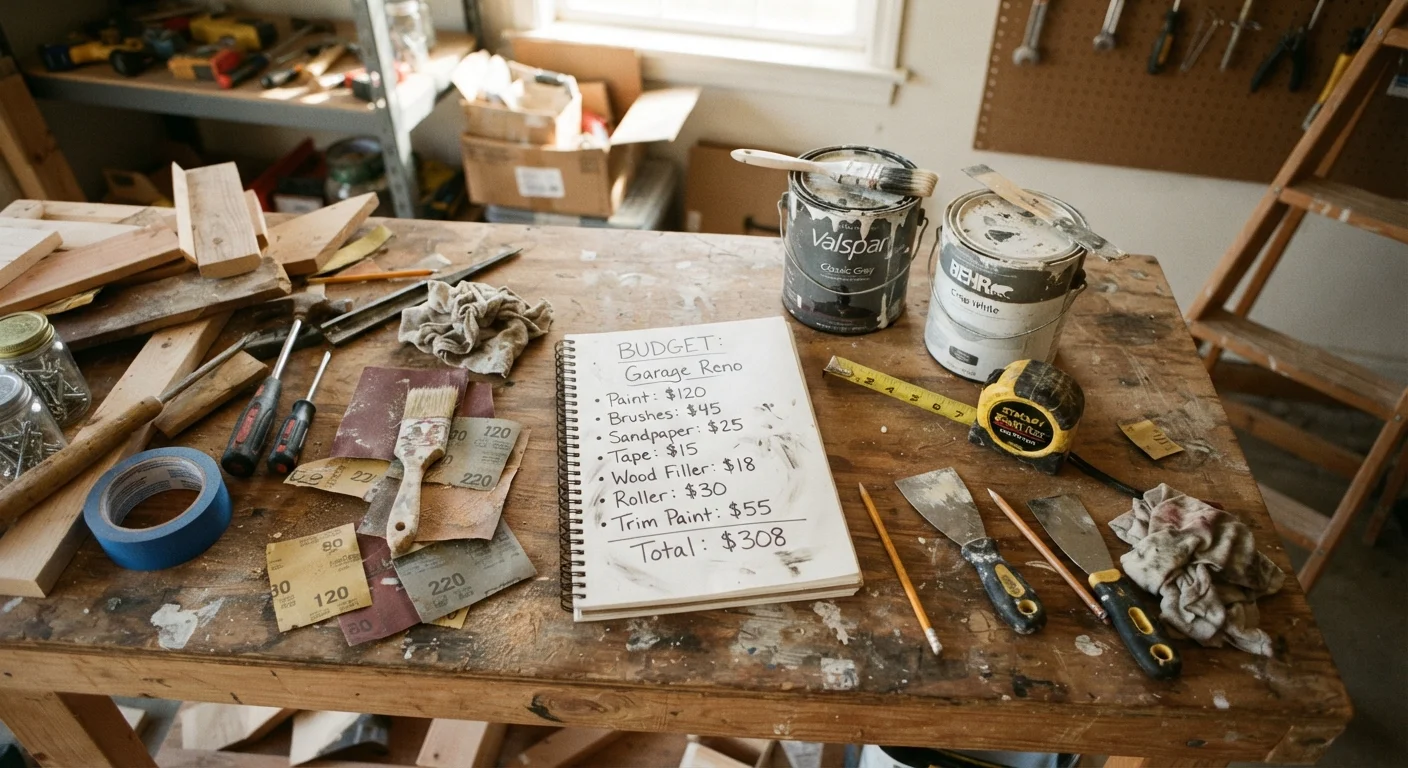
Walk into any home improvement store with a paint project in mind and you'll leave spending more than the paint. That gap between what you planned to spend and what you actually spend isn't carelessness - it's a structural feature of how most people estimate renovation costs. They think in materials and ignore everything around them.
The material cost of a weekend renovation - paint, tile, lumber, flooring - typically accounts for roughly 50-65% of the total spend. The remainder comes from supplies people treat as afterthoughts: primer, sandpaper, painter's tape, drop cloths, caulk, patching compound. These consumables aren't optional; they're load-bearing parts of the project. A paint job without proper primer may look thin and require a third coat. Skipping drop cloths means replacing what gets ruined.
Understanding the full cost structure before you start is what separates a project that lands on budget from one that quietly doubles. See our guide to what makes a project truly weekend-worthy for help scoping the work before you estimate the cost.
Make a Full Supply List Before You Shop
Before purchasing anything, write out every item you'll need - including tape, primer, cleaning supplies, and disposal bags. A thorough list made at home costs nothing and prevents the costly return trips that quietly inflate project totals. Cross-reference it against what you already own before adding anything to your cart.
The Hidden Cost Categories Most Budgets Skip
Once you move past materials, several cost categories surface that rarely appear in initial estimates:
- Consumables and prep supplies: Primer, tape, sandpaper, patching compound, cleaning solutions, and brushes or rollers for a paint project can add $40-$90 to a job that looked like a $60 paint purchase.
- Tool gaps: Not owning the right tool for a job forces a choice - rent, buy, or improvise. Renting a floor sander runs roughly $50-$80 per day. Buying a quality orbital sander you'll use repeatedly might cost $60-$120. Improvising risks a worse result and sometimes a more expensive fix later.
- Waste disposal: Demolition debris, old tiles, and leftover materials don't disappear. Depending on volume, disposal can mean multiple heavy-duty trash bags, a vehicle with cargo space, and potentially a disposal facility fee or haul-away service.
- Return trips: One forgotten item sends you back to the store. That trip costs time and, often, additional purchases. Detailed pre-project lists reduce this significantly.
For a deeper look at where supply costs quietly compound, the material waste habits worth changing article breaks down over-ordering and offcut waste patterns that drain renovation budgets.
50-65%
Share of total cost typically covered by primary materials
Commonly cited among DIY cost-breakdown analyses; the remainder goes to consumables, tools, disposal, and contingency.
$40-$90
Typical consumable add-on cost for a basic paint project
Covers primer, tape, drop cloths, roller kit, and patching compound - items routinely omitted from first-draft budgets.
10-15%
Recommended contingency buffer on total project estimate
Standard guidance from renovation planning resources; older homes or partially inspected surfaces may warrant up to 20%.
~10-15%
Typical daily tool rental cost vs. purchase price
A general industry rule of thumb for estimating whether renting or buying is more economical for a single-use tool.
Scope Creep: The Budget Killer Hidden Inside the Walls
Scope creep doesn't require a contractor or a permit to cost you money. In a weekend DIY context, it typically looks like this: you pull up a section of old vinyl flooring and find moisture damage in the subfloor. You remove one damaged tile and discover the surrounding grout is crumbling. You start painting the accent wall and realize the adjacent wall color now looks dingy by comparison.
Each of these is a legitimate finding. The problem is that addressing them mid-project compounds costs and time simultaneously. A project that was scoped for Saturday and Sunday now needs a third day - and potentially materials you didn't budget for.
The mitigation isn't to ignore potential discoveries; it's to investigate before you start. Pull back a corner of flooring to check subfloor condition. Inspect grout lines under good lighting. Look at adjacent surfaces in the context of your planned change. Surface-level inspection before committing to scope prevents mid-project surprises from becoming budget emergencies. Decisions about subfloor materials are a prime example of where cutting costs upfront often leads to higher total spend.
Building an Honest Budget Before You Start
An honest renovation budget works from the outside in: start with total available funds, then allocate across categories rather than starting with a materials wish list and hoping the math works out.
- List all materials with quantities and current prices. Don't estimate - look up actual prices.
- Add consumables as a separate line item. Budget 20-30% of material cost as a starting estimate for prep and supply costs.
- Identify tool gaps and price out rental versus purchase for each missing item.
- Estimate disposal costs if demolition is involved.
- Add a 10-15% contingency on the total. For older homes, consider 20%.
This approach doesn't make projects cheaper - it makes the real cost visible before you commit. If the honest total exceeds your budget, you can reduce scope while the project is still on paper rather than mid-weekend when you're halfway through demo. For guidance on sourcing materials efficiently within a set budget, see our end-to-end material sourcing guide. And if you're debating which tools to acquire versus skip, The Weekend Renovation Toolkit covers exactly that decision.
Frequently Asked Questions
Most budgets only account for primary materials and miss consumables, prep supplies, and tool costs. Surface problems found mid-project - like damaged drywall under old tile - also add unplanned expense. Building a 10-15% contingency into every estimate helps absorb these surprises.
Start with materials, then add consumables (primer, tape, caulk, sandpaper), tool rental or purchase costs, and waste disposal fees. Add 10-15% as a contingency. Factor in your time realistically - underestimating hours is the fastest way to see a weekend project stretch into the following week.
Primer, painter's tape, drop cloths, patching compound, disposal bags, and cleaning supplies are routinely omitted from first-draft budgets. Tool rental fees and return trips to the hardware store for missing items also add up quickly.
For tools you'll use only once - like a floor sander or tile saw - rental is almost always more economical. Tool rental typically costs 10-15% of the purchase price per day. For basic tools you'll reuse across multiple projects, buying makes more financial sense over time.
A standard recommendation is 10-15% of your total material and supply estimate. For older homes or projects involving surfaces you haven't fully inspected, consider going closer to 20% to account for hidden damage or additional prep needs.
Scope refers to the work involved - what rooms, what surfaces, what tasks. Cost is the total dollars required to complete that scope. Scope creep - expanding the project mid-weekend - is the most reliable way to blow both your budget and your timeline simultaneously.
The content on this site is for informational purposes only and is not a substitute for professional advice. Always consult a qualified professional for guidance specific to your situation.