

Our Verdict
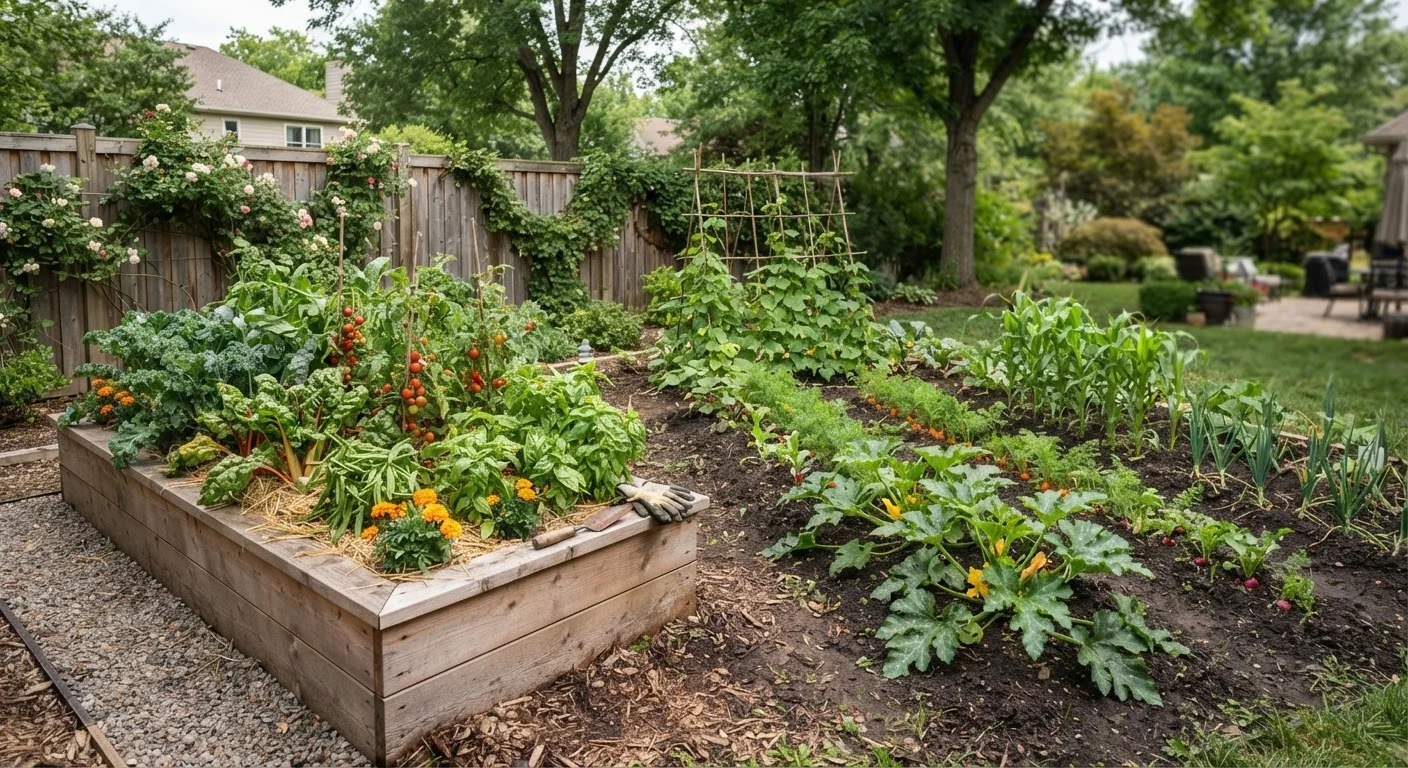
Neither approach is universally superior - each fits a different gardening situation. Raised beds reward gardeners dealing with poor native soil, drainage problems, or physical limitations, while in-ground planting remains the most cost-effective and scalable choice for those with workable soil and larger growing ambitions.
| Best for | Recommended |
|---|---|
| Gardeners with poor, compacted, or contaminated native soil | Raised Beds |
| Those working within strict time or cost constraints | In-Ground Planting |
| Gardeners with back or mobility issues | Raised Beds |
| Growing large-scale or deep-rooted crops | In-Ground Planting |
Soil Control and Quality
Soil is where most gardening decisions start and finish. With raised beds, you fill the frame with a custom blend - typically a mix of topsoil, compost, and an aerating amendment like perlite - bypassing whatever native soil lies below. This matters enormously if your yard has heavy clay, sandy loam that drains too fast, or soil with a history of contamination (common on older urban lots). You're not fighting the ground; you're building above it.
In-ground planting works directly with your existing soil, which means success depends heavily on what you're starting with. If you're starting a garden from bare ground, expect to invest time in soil testing and amendment - adding compost, adjusting pH, and breaking up compaction - before your first seed goes in. This groundwork pays off over years as the soil ecosystem matures, but it takes patience.
The practical takeaway: if your native soil is poor, raised beds eliminate years of remediation effort. If your ground is already loamy and well-structured, in-ground planting leverages what you already have for free.
Drainage, Warmth, and Growing Season
Drainage is one of raised beds' most consistent advantages. Because the growing medium sits above grade and is rarely compacted by foot traffic, water moves through it freely. This protects roots from the waterlogging that suffocates plants in heavy clay soils, and it makes spring planting easier after wet winters.
Raised beds also warm up faster. The exposed sides absorb solar heat from multiple angles, and the contained soil mass heats more quickly than the ground plane. In northern states, this can translate to a meaningful head start - sometimes two to three weeks earlier planting in spring compared to in-ground beds in the same yard.
In-ground plots, by contrast, stay cooler longer but also retain moisture more steadily during summer heat. For gardeners in hot, dry climates, this thermal mass can actually be an asset, reducing irrigation frequency for established plantings.
| Raised Beds | In-Ground Planting | |
|---|---|---|
| Upfront Cost | Higher (materials + fill soil) | Lower (soil amendment only) |
| Soil Control | Full control from day one | Dependent on native soil quality |
| Drainage | Excellent, rarely waterlogged | Variable, clay soils prone to pooling |
| Spring Warmup | Faster, earlier planting possible | Slower, more consistent summer temp |
| Weed Pressure | Lower with proper setup | Higher, especially early on |
| Accessibility | Easier on back and joints | More bending and kneeling required |
| Scalability | Modular, add beds over time | Expand easily at minimal cost |
| Deep-Rooted Crops | Limited by bed depth | Unrestricted root growth |
Cost and Setup
Setup cost is where in-ground planting has a clear edge. Beyond a soil test (typically inexpensive through your local cooperative extension office) and amendment materials, you're largely working with what's already there. The primary investment is labor - digging, turning, and conditioning.
Raised beds require materials for the frame itself (lumber, galvanized steel, stone, or composite boards), plus enough quality growing medium to fill them - which adds up quickly for larger beds. A single 4×8-foot cedar bed, filled to 12 inches deep, requires roughly 32 cubic feet of soil mix. Across multiple beds, costs can become substantial before you've grown a single plant.
That said, raised beds are modular and scalable. You can start with one bed, learn your system, and expand incrementally. For those also exploring container gardening on patios, raised beds occupy a useful middle ground between true containers and full in-ground plots.
Maintenance, Accessibility, and Long-Term Fit
Raised beds require less weeding over time - especially if you lay landscape fabric or cardboard beneath the frame at installation - and the elevated working height reduces bending and kneeling. For gardeners managing back pain or limited mobility, this ergonomic benefit alone can determine which approach is workable.
In-ground beds typically require more ongoing weed management, particularly in the first few seasons while the soil ecosystem adjusts. However, they support a broader range of crops without accommodation: deep-rooted vegetables like parsnips, corn, and winter squash spread more naturally in open ground than in a bounded bed.
Both systems benefit from thoughtful crop planning. Practicing crop rotation - moving plant families between beds or sections each season - helps protect soil health and limit pest buildup regardless of which method you use. Choosing whether to start from seeds or seedlings is a separate but equally important decision that applies equally to both systems.
Neither approach locks you in permanently. Many gardeners run both simultaneously - raised beds for intensive vegetable production and in-ground space for perennials, fruit shrubs, or larger crops - treating them as complementary rather than competing systems.
The content on this site is for informational purposes only and is not a substitute for professional advice. Always consult a qualified professional for guidance specific to your situation.