

Option A
Direct Sowing from Seed
The patient, low-cost approach with maximum variety.
Best for: Gardeners with flexible schedules, root-sensitive crops, and space to direct-sow in beds.
Option B
Transplanting Seedlings
The head-start option for busy schedules and short seasons.
Best for: Gardeners in short-season climates or those wanting faster, more predictable results.
Understanding What Each Method Actually Involves
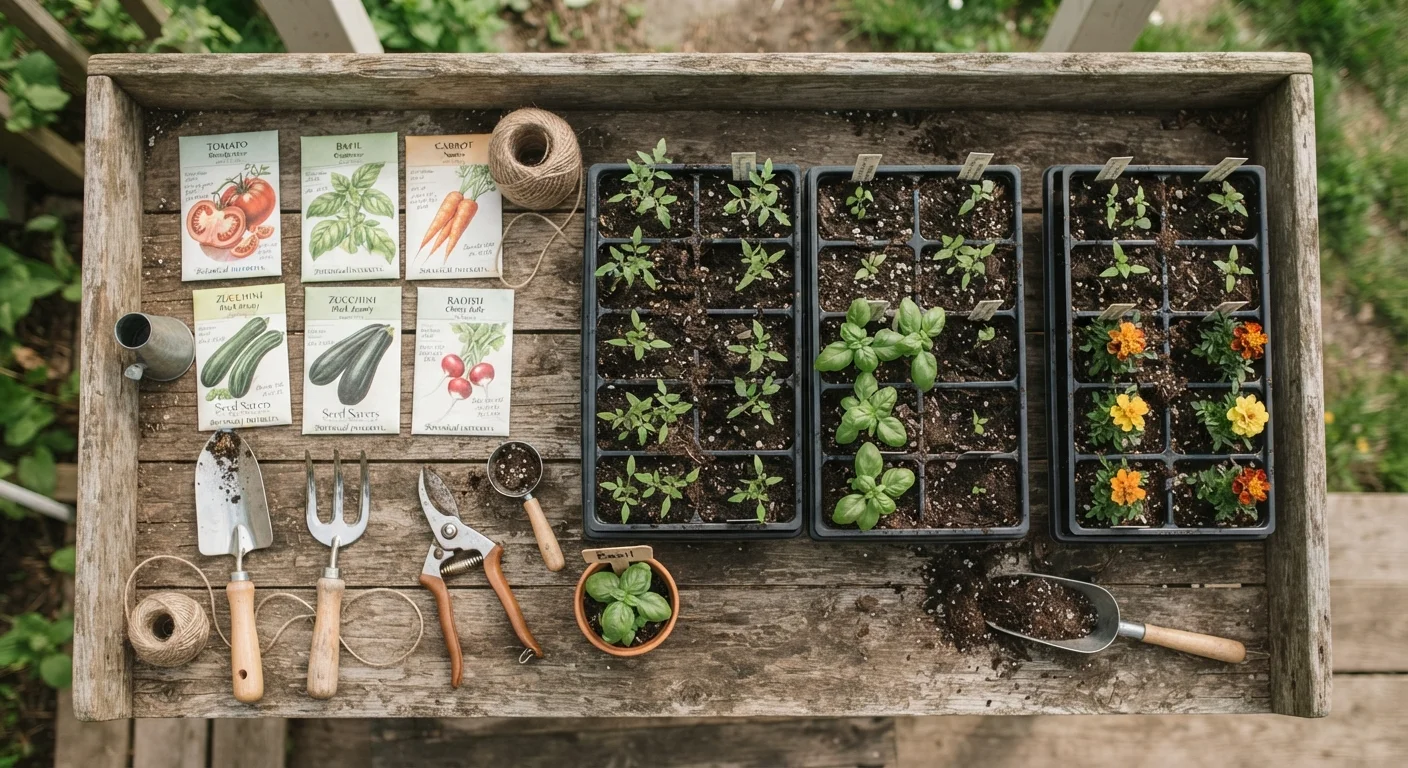
Choosing between seeds and seedlings is really a question of where you want to invest your time, money, and attention. Direct sowing means placing seeds straight into garden soil or containers where the plant will grow to maturity. Transplanting means moving a young plant - either one you started indoors or purchased from a nursery - into its final growing spot.
Both approaches are legitimate and widely used; skilled gardeners typically use both in the same season depending on the crop. If you're starting a new garden from bare ground, understanding this distinction early prevents a lot of wasted effort. The trick is matching the method to the plant's biology, your climate, and your available time.
| Criterion | Direct Sowing from Seed | Transplanting Seedlings |
|---|---|---|
| Upfront cost | Low - seeds are inexpensive | Higher - nursery starts cost more per plant |
| Variety selection | Vast - thousands of cultivars available | Limited to nursery stock |
| Time to harvest | Longer - full growing period needed | Shorter - weeks already completed |
| Best crops | Root veg, beans, peas, squash, greens | Tomatoes, peppers, eggplant, brassicas |
| Skill level required | Moderate - germination conditions matter | Lower - past germination stage |
| Root disturbance risk | None - plant stays in place | Possible - transplant shock is real |
| Season length dependency | Higher - needs full outdoor season | Lower - head start beats short seasons |
Where Seeds Have the Clear Edge
Seeds shine in two specific situations: crops with sensitive root systems, and gardens where variety and cost matter most.
Root vegetables - carrots, beets, parsnips, radishes - develop a single taproot that doesn't tolerate being cut or disturbed during transplanting. Direct sowing is essentially non-negotiable for these crops. The same applies to beans, peas, and most squash, which establish quickly from seed once soil temperatures are adequate and don't gain much from an indoor head start.
Cost is the other major advantage. A single packet of seeds typically contains 50-200 seeds for a fraction of what you'd spend on an equivalent number of nursery seedlings. For gardeners growing at scale or experimenting with less-common varieties, seed catalogs offer thousands of cultivars that nurseries simply don't stock as transplants.
Timing flexibility is a subtler benefit: you can succession-sow seeds every two to three weeks to stagger harvests, something that's harder to coordinate with purchased seedlings.
Where Seedlings Give You the Advantage
Transplanting seedlings is the smart move for slow-maturing crops in climates where the frost-free window is short. Peppers, tomatoes, eggplant, and most brassicas need 6-10 weeks of indoor growing before outdoor conditions are suitable. In USDA zones 3 through 5, direct-sowing these crops outdoors would mean they never reach maturity before the first fall frost. Starting them indoors - or buying nursery starts - effectively extends your season without extending your climate.
Seedlings also offer more predictability. A nursery transplant is already past the most vulnerable germination stage, which is where many beginner gardeners struggle. If you've ever lost a tray of seedlings to damping off (a fungal condition that collapses stems at the soil line), you'll appreciate skipping that phase entirely. For a closer look at what goes wrong during early growth, see our piece on why seedlings keep dying.
One caution: transplant shock is real. Always harden off seedlings - gradually exposing them to outdoor conditions over 7-10 days - before planting them in their final position. Skipping this step is one of the most common reasons transplants stall or fail after planting.
Making the Decision for Your Garden
The most practical framework: check your local frost dates first, then match the method to each crop you plan to grow. A seasonal garden calendar built around your climate makes this much easier, especially if you're managing multiple crops with different timing needs.
As a general rule, direct-sow anything that matures in under 60 days or has tap roots. Start indoors (or buy transplants) for anything that needs more than 10-12 weeks from germination to harvest, or for crops you want to get into the ground as soon as your last frost date passes.
There's no single right answer across all crops or all gardens. Many experienced growers use a hybrid approach: seeds for beans, greens, and root vegetables; transplants for tomatoes, peppers, and brassicas. Starting with this split gives you the efficiency of each method where it matters most, without committing entirely to one path. For a related look at how planting method affects another garden decision, our guide on raised beds versus in-ground planting covers how your bed type can also influence which approach works best.
The content on this site is for informational purposes only and is not a substitute for professional advice. Always consult a qualified professional for guidance specific to your situation.