

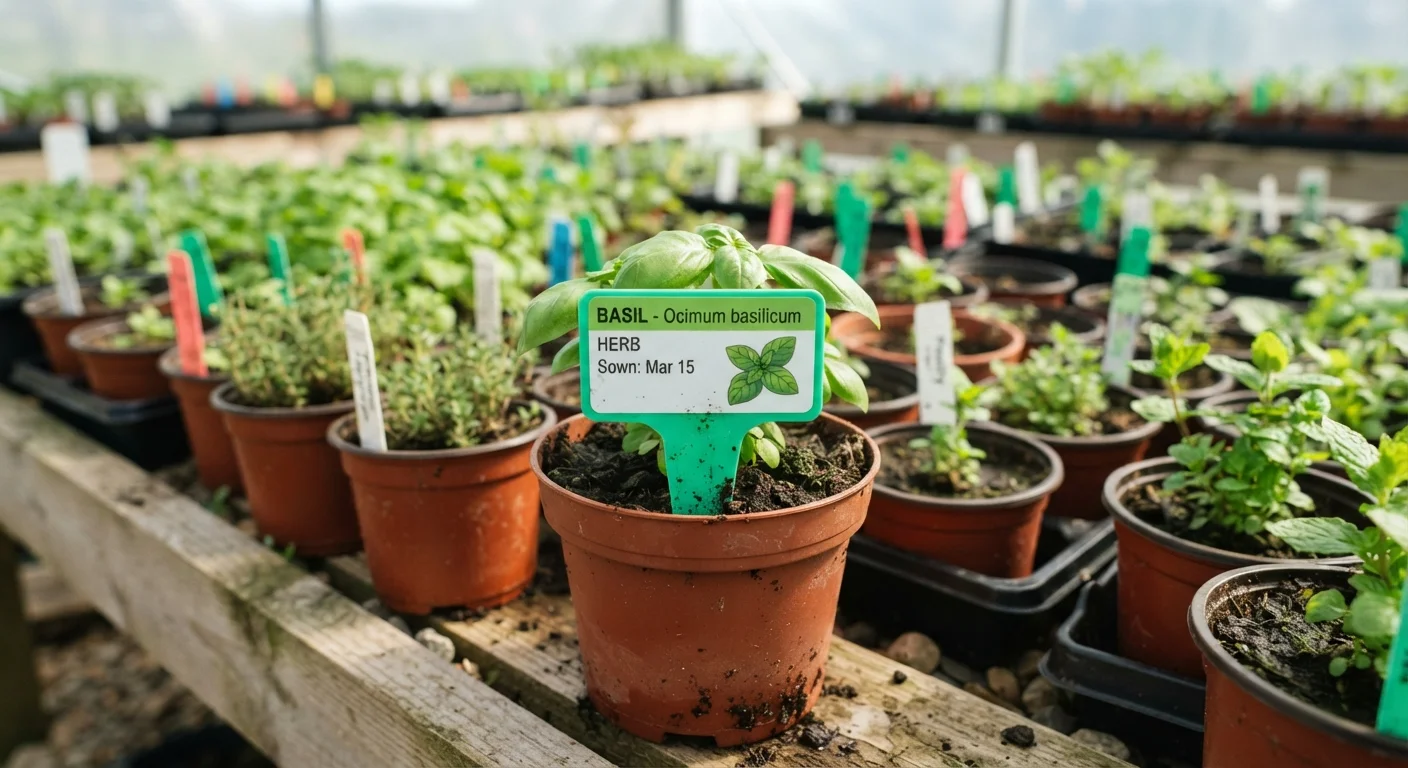
Why Plant Labels Can Feel Like a Foreign Language
Pick up a plant at any nursery or garden center and the little plastic tag tucked into the pot will tell you more than most people realize - or know how to use. Abbreviations, sun symbols, USDA zone numbers, and Latin names crowd a space barely two inches wide. The result? Most gardeners glance at the watering frequency and ignore the rest.
That's a missed opportunity. A well-read label can prevent transplant failure, guide placement decisions, and help you match a plant to the conditions you actually have - not the conditions you hope for. This reference breaks down every common element you'll find on a plant tag so you can move through the garden center (or catalog) with confidence.
Hardiness Zone
A geographic classification based on average annual minimum winter temperatures, used to predict which plants can survive outdoors year-round in a given location. The USDA map divides the US into zones numbered 1 (coldest) through 13 (warmest).
Botanical Name
The standardized Latin two-part name for a plant species, consisting of genus and species (e.g., Echinacea purpurea). It is consistent worldwide, unlike common names that can vary by region.
Cultivar
A cultivated variety of a plant that has been selected or bred for specific traits such as flower color, compact size, or disease resistance. Cultivar names appear in single quotes after the species name on a label (e.g., Echinacea purpurea 'Magnus').
Established Plant
A plant that has developed a root system sufficient to support itself with minimal supplemental care. Most plants take one full growing season to become established after transplanting.
Soil pH
A measure of acidity or alkalinity in soil on a scale from 0 to 14, where 7 is neutral. Most garden plants prefer a range between 6.0 and 7.0, though some species have narrower requirements.
Annual / Perennial / Biennial
Terms describing a plant's lifecycle. Annuals complete their life in one season; perennials return each year; biennials take two seasons to flower and set seed before dying.
Decoding the Core Label Fields
Most plant labels follow a fairly consistent layout. Here are the key fields and what they actually mean:
Common Name and Botanical Name
The common name (e.g., coneflower) is the everyday shorthand. The botanical name - always italicized, usually in smaller print - is the Latin binomial (e.g., Echinacea purpurea). Botanical names matter because common names vary by region and can refer to completely different plants. If you want to look up care details or compare cultivars accurately, use the botanical name.
Hardiness Zone Range
A label reading "Zones 4-9" refers to the USDA Plant Hardiness Zone Map, which divides the country by average annual minimum winter temperatures. A plant rated for Zone 4 can survive winters where temperatures dip to −30°F. If your zone falls within the listed range, the plant should overwinter reliably in your garden. For a full explanation of how to find and use your zone number, see our guide on understanding hardiness zones.
Sun Exposure Icons
Labels typically use one of three symbols or phrases:
- Full Sun - 6 or more hours of direct sunlight per day
- Part Sun / Part Shade - 3 to 6 hours; some labels distinguish these, with part sun preferring afternoon light and part shade preferring morning light
- Full Shade - fewer than 3 hours of direct sun
Misjudging sun exposure is one of the most common reasons plants underperform. Count actual hours of direct sun at your planting spot before committing.
Watering Needs
Words like drought tolerant, average moisture, or consistently moist describe how much supplemental water the plant needs once established. Note that "established" is key - most plants need regular watering for the first growing season regardless of their long-term drought tolerance.
Mature Size
Height and spread are listed as a range (e.g., "18-24 in. tall, 12-18 in. wide"). These are averages under typical conditions; your soil quality, climate, and care will influence actual size. Spacing plants to their mature spread - not their current size - prevents crowding and reduces disease pressure later. For more on how soil structure affects plant performance, see what soil type is actually in your garden.
Plant Lifecycle
Labels often note whether a plant is an annual, biennial, or perennial. This single word shapes your entire planning and budget strategy. Our article annual, biennial, and perennial differences explained walks through each lifecycle in everyday terms.
Bloom Time and Color
Bloom time is typically listed by season (spring, early summer, fall) rather than specific months, since performance varies by region. Use this information to sequence plantings for continuous color throughout the growing season.
Lesser-Known Label Details Worth Noticing
| Full Sun Definition | 6+ hours of direct sun per day |
| Part Shade Definition | 3-6 hours of direct sun per day |
| USDA Zone Range (contiguous US) | Zones 3-11 (USDA Plant Hardiness Zone Map) |
| Optimal pH for Most Garden Plants | 6.0-7.0 |
| Establishment Period (typical) | 1 full growing season |
Soil pH Preferences
Some labels include a preferred soil pH range (e.g., 6.0-7.0). Most garden plants thrive in a slightly acidic to neutral range. If a plant calls for acidic conditions (pH below 6.0) and your soil tests neutral or alkaline, you'll need to amend - or choose a different plant. Not sure what you're working with? Learn how to identify your soil type and run a basic pH test in our soil type identification guide.
Fertilizer Needs
Labels noting "heavy feeder" or "low fertility" give you a cue about nutrient requirements. Heavy feeders - many vegetables and roses, for example - benefit from regular feeding. Understanding how nutrients like nitrogen, phosphorus, and potassium function helps you respond accurately. Our NPK guide applies broadly to garden plants as well.
Native vs. Non-Native Indicators
Some retailers now flag native plants on labels. Native species are adapted to regional soil and climate conditions, often requiring less water and maintenance once established, and they generally support local pollinators.
If a plant's behavior ever confuses you after planting - yellowing leaves, wilting despite adequate water - the label's original care specs are a useful starting point for diagnosis. Our guide to common plant problem signs can help you interpret what you're seeing.
The content on this site is for informational purposes only and is not a substitute for professional advice. Always consult a qualified professional for guidance specific to your situation.