

Summary
22 items · 30-60 minutes
Why Lawn Diagnosis Comes Before Treatment
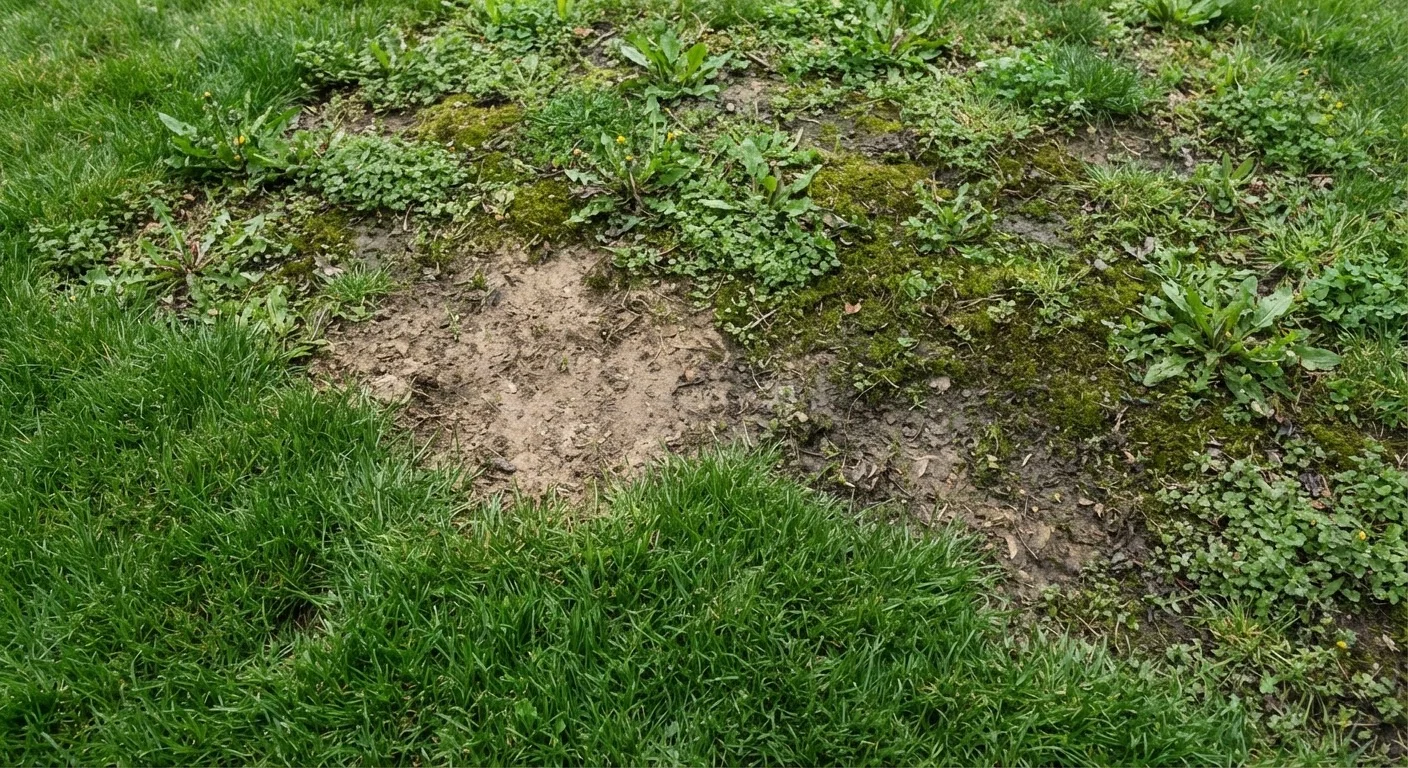
A struggling lawn rarely has just one problem, and the visible symptom - a yellowing patch, a mossy corner, a thatch mat - is almost never the full story. Treating what you see without understanding why it appeared often leads to temporary fixes and recurring frustration. The checklist below is structured around the most common visible symptoms, guiding you through what to look for, what it typically means, and what to do next.
Before reaching for any product or renting equipment, spend 20-30 minutes walking your lawn at different times of day. Note which areas get full sun, where water pools after rain, and where foot traffic concentrates. These observations will inform every diagnosis that follows. You may also want to review how soil pH affects grass health, since many symptoms overlap with acidity problems that go undetected without testing.
Bare or Thin Patches
Moss and Algae
Thatch Buildup
Weeds and Invasive Plants
Discoloration and Yellowing
Tools You'll Need for a Full Lawn Audit
A thorough lawn assessment doesn't require expensive equipment. The tools below cover most diagnostic scenarios for a typical residential lawn.
Soil pH test kit or meter
Measures soil acidity, which underlies many lawn problems including moss, yellowing, and poor grass establishment.
Screwdriver or soil probe
Used to test compaction depth quickly by hand before investing in aeration.
Hand rake
Scratches into the thatch layer to measure its depth and assess whether dethatching is needed.
Lawn aerator (core type)
Relieves compaction and improves water infiltration in problem areas; available to rent from most equipment suppliers.
Measuring tape
Helps map the size and location of problem areas so you can track improvement over time.
Notebook or phone camera
Document current conditions so you can compare results after treatment and catch changes early.
Understanding What You Find
Once you've worked through the checklist, patterns should begin to emerge. Moss concentrated in shaded, damp corners points toward drainage and light problems rather than fertilizer deficiency. Bare patches near high-traffic paths suggest compaction, not disease. Weeds clustering in thin areas indicate the grass itself is too weak to outcompete them - a condition often tied to mowing height, watering habits, or soil nutrition. See our guide on identifying and managing common lawn weeds for species-specific guidance.
If your lawn shows yellowing that doesn't match any of the patterns you've identified here, our companion article why grass goes yellow walks through the specific causes behind discoloration in detail. Watering habits are another major driver of lawn decline - learn the timing and depth principles that encourage deep root growth rather than surface dependency.
Don't Treat Symptoms Without a Diagnosis
Applying fertilizer to a compacted, waterlogged lawn can accelerate moss and disease rather than improve grass health. Similarly, dethatching a lawn already stressed by drought may cause more damage than the thatch itself. Work through the relevant checklist section before taking action, and when in doubt, a basic soil test will rule out the most common misdiagnoses.
Herbicide and Pesticide Safety
If chemical treatments are being considered, always read the product label in full before use, follow all protective equipment guidance, and check local regulations on restricted products. Many lawn problems respond to cultural fixes - aeration, overseeding, adjusted watering - without requiring any chemical intervention.
For a full foundation on soil health, identifying your soil type can reveal whether drainage or nutrient availability is structurally limited. And if you're managing this lawn for the first time, ground-level lawn care for new homeowners provides the broader context for everything this checklist covers.
The content on this site is for informational purposes only and is not a substitute for professional advice. Always consult a qualified professional for guidance specific to your situation.